Beyond the news

Human Stories During the Civil War and Reconstruction
When most people think about the Civil War, they think about battlesor politics. But behind every statistic was a real person. A soldier. A mother. A formerly enslaved family trying to survive in a country being torn apart.
Photographers

Mathew Brady
(c. 1822–1896) was a pioneering 19th-century American photographer celebrated as the "father of photojournalism" for documenting the Civil War. He organized a team to capture over 10,000,000 images of camp life, battlefields, and leaders, famously bringing the "terrible reality" of war to the public.

Alexander Gardner
(October 17, 1821 – December 10, 1882) was a Scottish-American photographer who immigrated to the United States in 1856, where he began to work full-time in that profession. He is best known for his photographs of the American Civil War, U.S. PresidentAbraham Lincoln, and of the conspirators and the execution of the participants in the Lincoln assassination plot.

Photography's influence on the American's Civil War
Civil War photography changed how Americans understood war by showing real images of soldiers, battlefields, death, and destruction for the first time. Photographers like Mathew Brady documented the human suffering of the war, which shocked the public and removed the romantic image of battle. Because cameras were slow and difficult to use, most photographs captured the aftermath of battles rather than combat itself. The source also explains that Civil War photography helped create early photojournalism and still shapes how people remember the war today.

"Powder Boy"
A famous 1860s photograph captures a young "powder boy" (or powder monkey) on the USS New Hampshire. These boys, often aged 12–14, carried gunpowder from the magazine to gun crews, with some records identifying this particular subject as 13-year-old Aspinwall Fuller, photographed around 1864–1865

Rebel prisoners in Gettysburg
The famous 1863 photograph of three Confederate prisoners at Gettysburg, taken by Mathew Brady’s team around July 15 on Seminary Ridge, captures a moment of aftermath from the battle. These men were part of over 5,000 Rebels captured, many of whom were held until being transferred to Northern prisons, often looking surprisingly well-dressed compared to myths of barefoot soldiers
Photography changed everything.
For the first time, Americans could visually witness the true cost of war. Instead of heroic paintings, they saw dead soldiers lying across battlefields, destroyed towns, military hospitals, and exhausted faces.
The camera forced Americans to confront a reality that words alone could not fully capture.


Colored photos from the Civil War


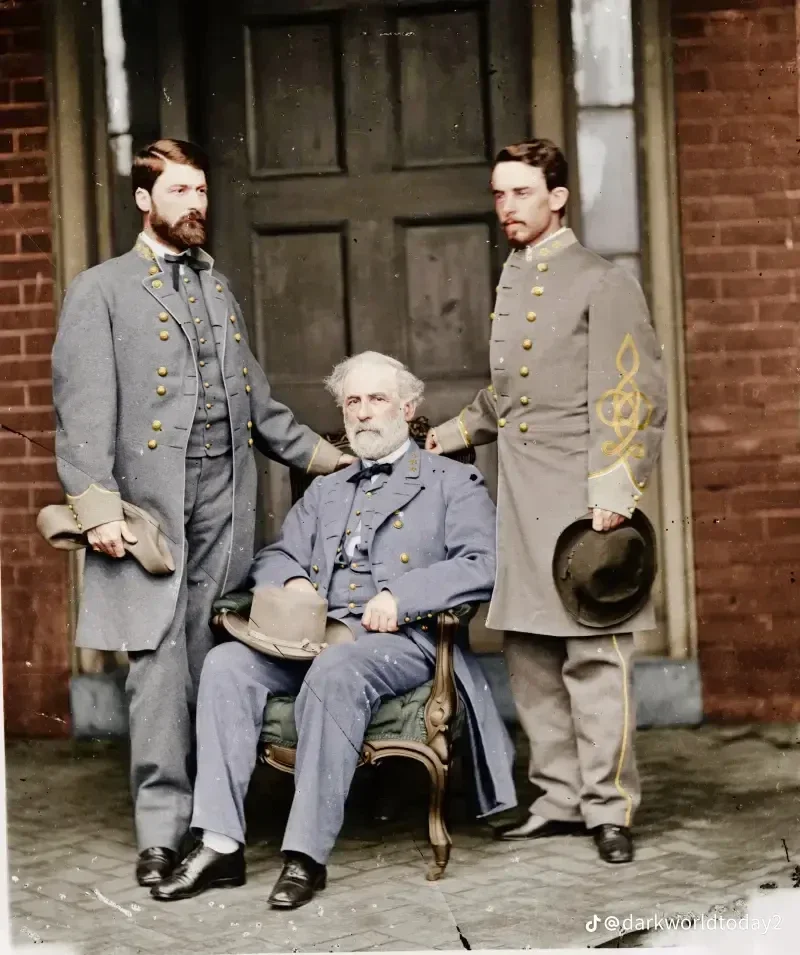


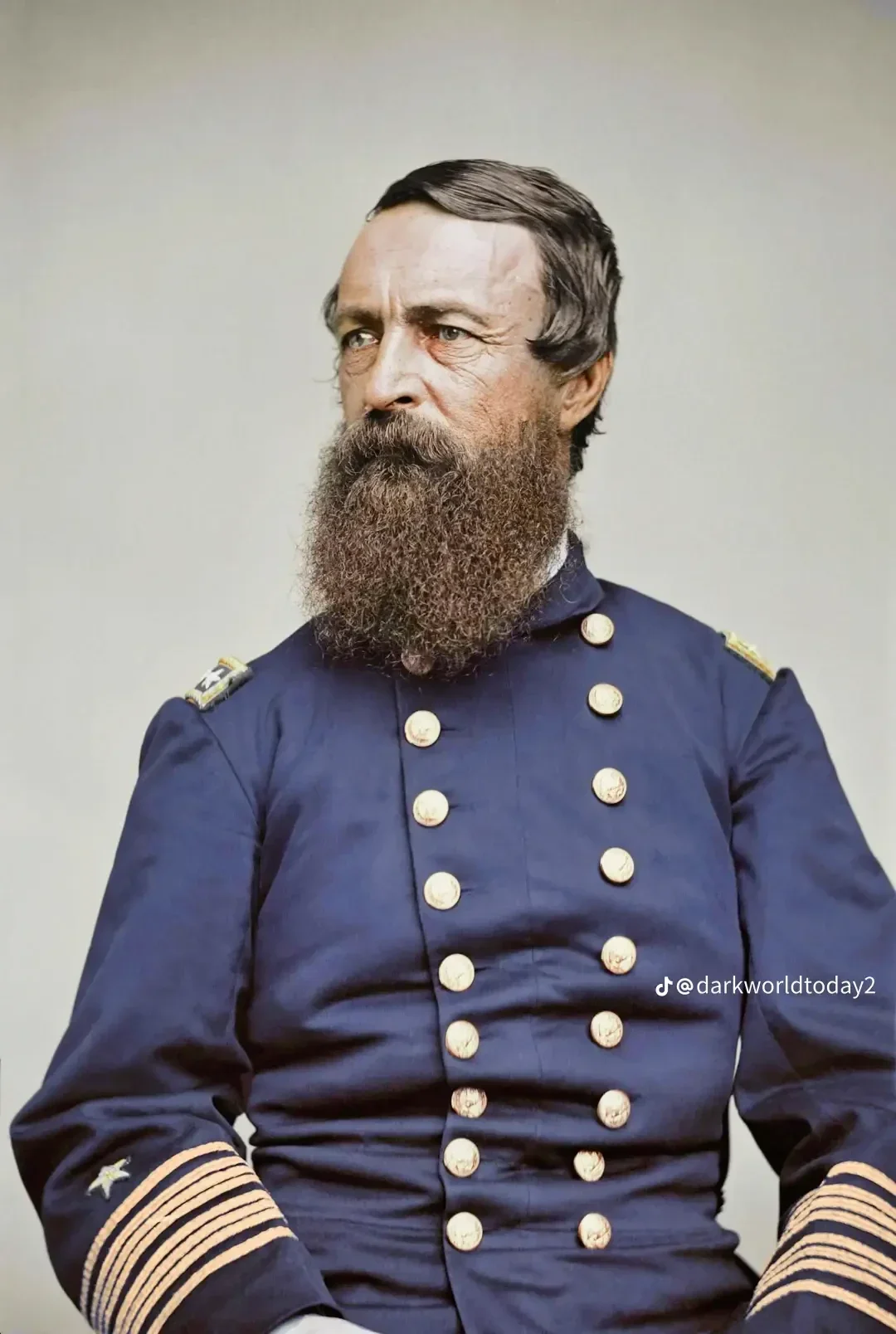


Portraits of war


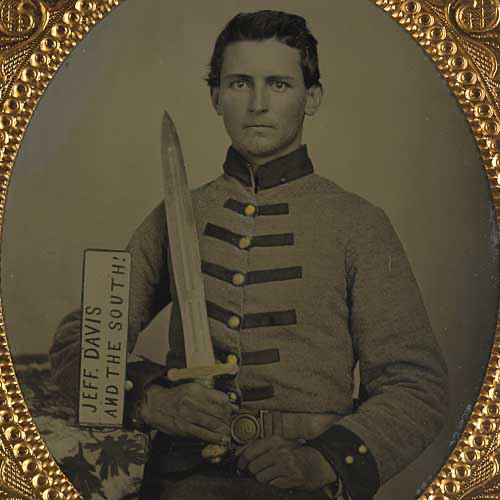


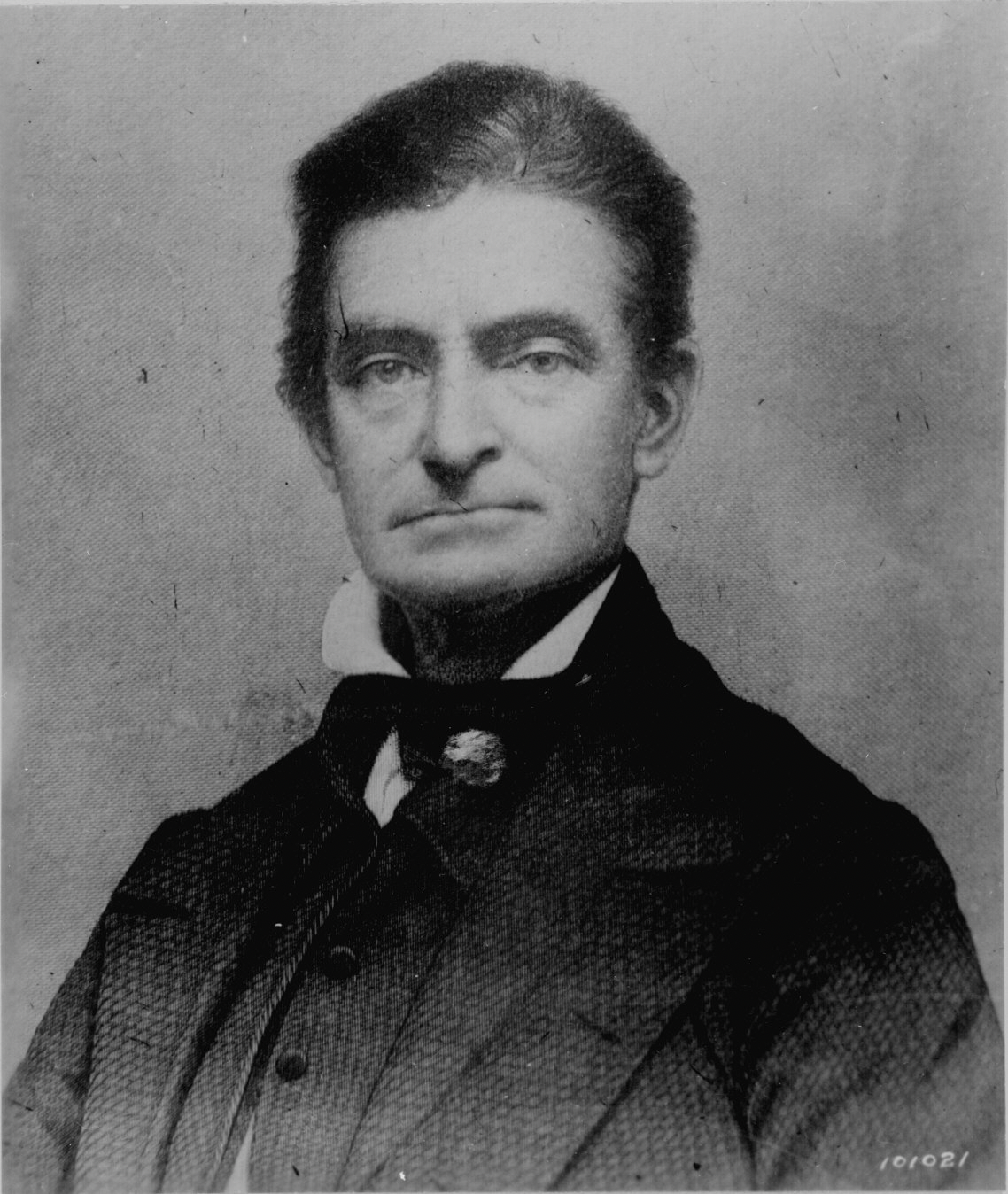

"Photography cannot change the world, but it can show the world, especially when it changes"
Marc Riboud